
Our work › Current projects
Financing Flood Resilient Infrastructure (FFRI)
Helping councils plan, prioritise and fund infrastructure that holds up to flooding


Funding:
$4.14M
Australian Government Disaster Ready Fund, as part of an $8m project
Councils:
Delivered with SECCCA member councils
Status:
In progress
The challenge
Local governments across Australia face escalating, interconnected climate risks. By 2050, the national cost of natural disaster recovery is projected to exceed $40.3 billion a year. In South East Melbourne, council roads, drains, buildings and foreshores are exposed to four kinds of flooding: sea level rise, urban stormwater, inland and riverine flooding, and coastal inundation. Councils carry much of the cost of repair and adaptation, but funding across all levels of government hasn’t kept pace with the investment needed.
FFRI helps councils understand their exposure and find ways to fund the work, and builds a scalable model that other communities across Australia can use.
What we’re doing
FFRI combines climate and flood modelling with councils’ asset data to show where flood risk is greatest and what it will cost. We then work with councils to identify priority infrastructure projects and test ways to fund them.
-
Flood risk and asset assessment
Two new assessments give member councils a shared, region-wide picture of flood risk:
Enhanced Asset Vulnerability Assessment (EAVA): combines new asset data, best-available flood modelling and the latest climate projections to show which public and private assets, and which communities, are most exposed to flooding.
Asset Criticality Assessment (ACA): shows which assets matter most for community function and service continuity, and where they overlap with flood risk across the region.
-
Priority projects
Working with councils to identify the infrastructure projects that most reduce flood risk, starting with a set of case study sites.
-
Financing models
Testing ways to fund priority projects, including pooling projects across councils to attract public and private investment.
Who’s guiding the project
A Strategic Reference Group, which first met in April 2026, guides the selection of case study sites. It brings together senior representatives from Infrastructure Victoria, the Department of Climate Change, Energy, the Environment and Water (DCCEEW), JLT, South East Water, the Department of Treasury and Finance, and Westernport Biosphere.
What councils get
A clearer picture of the financial exposure from current and future flooding
Stronger internal capability to identify flood risk and build investment cases
A shortlist of priority projects with financing options
Working relationships with funders, insurers and other levels of government
Why it matters for communities
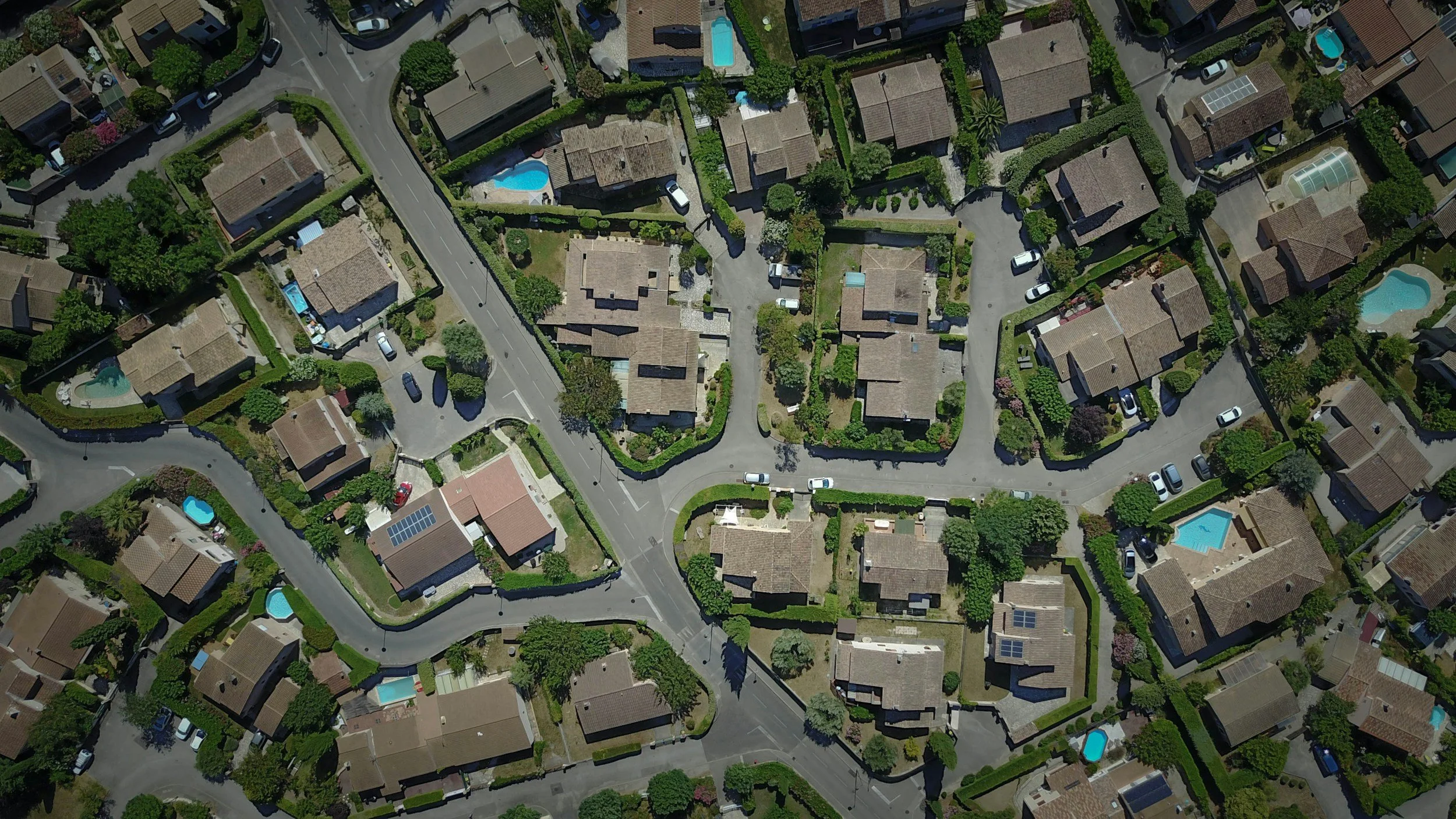
Resilient infrastructure keeps roads open, drains working and community facilities running during and after floods. It also reduces the recovery costs that ratepayers eventually carry.
Progress
April 2026 Strategic Reference Group meets for the first time
Mid 2026 EAVA and ACA delivered to member councils
Next Case study sites selected
Resources
Public reports will be added here as they’re published.
Member councils only
Working documents for council officers
EAVA and ACA outputs and working papers are available to member councils through the SECCCA Member Hub.
